
#Psychology
214 NotesExplore cognitive science, behavioral psychology, human decision-making, mental models, biases, and emotional intelligence.


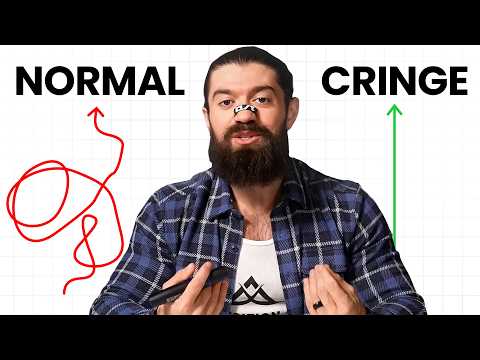


YouTube games
This video explores the dynamics of interpersonal 'mind games' played online, contrasting them with offline interactions. Through specific scenarios like 'Sabotage,' 'Front-end Evasion,' and 'Unwanted Advice,' the narrator illustrates how conflicted behaviors manifest as evasive tactics or passive-aggression. Key to this analysis is the shift from debating internal motives to addressing observable behavioral contradictions. The video offers various strategies for targets—ranging from setting strict boundaries and benchmarks to humorous dismissal or total silence—emphasizing the preservation of one's time and creativity over engaging in sterile, repetitive drama.

He Studied 400 Prostitutes — What He Learned About Weak Men Is Terrifying | Machiavelli
After being exiled from Florence in 1513, Niccolò Machiavelli conducted unconventional research by observing and interviewing hundreds of prostitutes to understand human nature. He discovered five recurring patterns of male weakness: placing others on pedestals, attempting to buy loyalty through excessive giving, obsessing over those who show disinterest, confusing submission with love, and failing to distinguish fantasy from reality. Machiavelli synthesized these findings into the concept of 'Virtù'—a philosophy of self-possessed strength and realism. This video explores how these Renaissance observations offer a profound critique and guide for modern masculinity and power.





Every Level of Quantum Activation: From Dormant to UNTOUCHABLE
This video explores the journey of 'Quantum Activation,' a precise process that shifts human consciousness from a dormant ground state to a state of unified entanglement with reality. It maps nine distinct levels—from the initial 'awakening tremor' and the necessary 'first collapse' to the 'untouchable' state of the unified field. By understanding these stages, mechanics, and accompanying shadows, individuals can navigate identity dissolution, integrate their shadows, and align their internal frequency with the organizing intelligence of the universe to live a life of coherent, resonant participation.

Battle For Your Mind - Roy Masters Vintage Video
Roy Masters, representing the Foundation of Human Understanding, explores the deep-seated 'battle for the mind' caused by societal, religious, and parental brainwashing. He posits that formal knowledge often acts as a form of ignorance, replacing a child's original 'understanding' with mechanical thoughts. Masters argues that organized religion and dysfunctional family dynamics create 'zombies' addicted to external approval. The video emphasizes that through a specific meditation/observation exercise, individuals can become objective to their problems, break free from hypnotic cycles of guilt and lust, and reclaim their original, God-centered identity.

The Blueprint to Reset Your Life
Ryder Carroll explains how to transform mistakes into growth opportunities using a structured five-step writing reflective practice. The video argues that self-punishment is a form of avoiding accountability and that mistakes actually provide blueprints for systemic improvement. By spending five to ten minutes analyzing a moderate mistake through factual observation, emotional awareness, and tactical planning, individuals can move from cycles of guilt to actionable life changes. The ultimate goal is to bridge the gap between who we are and who we want to be by refining our internal systems.

IS HE LYING? Body Language Analyst REACTS: Katt Williams Calls out Steve Harvey, Kevin Hart & More!
Behavioral analyst Spidey breaks down Katt Williams' explosive interview on the 'Club Shay Shay' podcast, focusing on accusations against Cedric the Entertainer, Steve Harvey, and Kevin Hart. By examining body language, word choice, and performance ethics, the analysis suggests Katt is largely truthful about joke theft. In contrast, the celebrities' responses are characterized as deceptive, using techniques like semantic shifts and misdirection. While Katt utilizes hyperbole regarding his own life, his core claims about industry misconduct are supported by the lack of factual rebuttals from the accused parties.


The Dark Night Of The Soul: Navigating It In The Attachment Healing Process
In this video, Heidi Priebe explores the concept of The Dark Night of the Soul, a pivotal psychological and spiritual phase characterized by a collapse of perceived meaning in life and identity crisis. She links this experience to Shadow work, emphasizing the importance of confronting repressed aspects of the self and integrating them to achieve a more holistic understanding of oneself and one's relationships. The discussion also connects early attachment experiences to current emotional responses and coping strategies, framing the healing process as essential for meaningful relationships and personal growth.


How To Do a Simple Remote Viewing
Paul H. Smith, a former military remote viewer from the Stargate program, provides a practical guide for beginners on how to perform a simple remote viewing session. He explains that remote viewing impressions are often vague and fuzzy, much like half-remembered memories, rather than vivid images. The video details the essential requirements: remaining blind to the target, maintaining a relaxed and 'Zen-like' mindset, and focusing on simple sensory data like colors and textures. By following structured steps including preparation, sketching, and immediate recording, viewers can explore their innate psychic potential.

it’s time to start participating in your own life.
The video explores the common belief that life begins only after certain prerequisites are met and criticizes the tendency to observe rather than engage. It emphasizes that the fear of embarrassment and comparison can prevent individuals from pursuing their dreams, leading to a life spent waiting rather than living. The overall message encourages viewers to recognize that meaningful experiences are happening now, urging them to take active steps toward the lives they desire, rather than remaining passive spectators.
it’s time to start participating in your own life.
The video discusses the phenomenon of waiting for life to truly begin while passively observing others live theirs. It critiques the mindset of postponing ambitions due to perceived unpreparedness and highlights that many transformations in life begin without a clear plan. Instead of waiting for an ideal moment or version of oneself, it advocates for taking action, embracing confusion, and participating actively in life. The core message stresses that realization and acceptance of one's current situation are crucial in shifting from being a spectator to a participant in one's own life.

The Psychology Behind MANIFESTING Money & Success! | Dr. Joe Dispenza
The video explores the psychological relationship individuals have with money, emphasizing how past experiences and emotions shape beliefs about wealth. It suggests that many people operate from a mindset of lack and separation, waiting for external circumstances to change their feelings of abundance. Instead, it advocates for creating abundance from a place of wholeness and energy, utilizing mindfulness and emotional coherence to attract opportunities and wealth.

The Quantum Code That UNLOCKS Genius Consciousness (Reality Obeys This Exact Frequency)
This video discusses the nature of intelligence, arguing that it is not a gift but a process of pattern recognition. It highlights the social costs of heightened intelligence, emphasizing that real intelligence is about seeing structures instead of just content. The speaker introduces a 90-day cognitive training program designed to restructure how the brain processes information through deep questioning, information weaponization, pattern harvesting, and cognitive combat. The video ultimately aims to inspire viewers to take action towards cognitive development, warning of the loneliness and responsibility that come with increased awareness.

How to Trick Your Brain Into Liking Discipline
This video emphasizes that discipline is not a character flaw but a misunderstanding of how human brains operate. The brain prioritizes immediate rewards for survival, conflicting with modern demands for long-term discipline. True discipline arises from environment design rather than sheer willpower. By implementing systems and habit-stacking techniques, individuals can create an environment where desired behaviors become automatic. Ultimately, transformation lies in changing one's identity, ensuring that disciplined actions become an innate part of who they are, rather than relying solely on motivation.

How to OUTSMART The Game of “Reality”
The video discusses the concept that reality is a game where 98% of people lose due to misconceptions about how to create their desired reality. It presents five rules for winning this game, emphasizing the importance of mental and spiritual processes over physical actions. The presenter highlights the need to shift perspectives, recognize self-made rules, and understand the significance of frequency and self-concept in shaping one’s reality.

Once You Master Quantum Entanglement, Your Subconscious UNLOCKS Your HIDDEN ENERGY
The video explores the interconnectedness of the universe, emphasizing the influence of thoughts, emotions, and consciousness on reality through the lens of quantum physics. It discusses concepts such as quantum entanglement and the subconscious mind's role in shaping personal experiences. By understanding and reprogramming our subconscious, and aligning our vibrations with positive intentions, we can manifest desired outcomes in life. The video also highlights the importance of surrendering to the universe and trusting the transformative process, encouraging viewers to step into their potential and awaken their true power.
All #Psychology Notes & Study Guides Directory (214)
• The Invisible Backpack: Understanding After-School Meltdowns• هرگز به این ۵ سوال پاسخ ندهید! (بر اساس فلسفه شوپنهاور)• Why “Economically Naive” Is the Most Naive Thing You Can Say• Jake Smith - Manipulation, Body Language, Dark Psychology, NLP, Mind Control - Audiobook• How To Accept Yourself & Move On From Your Past | 2 Hour “You Are” Affirmations• A Simple Way to Learn Complex Skills• The narcissist's game of deflection• 8 Signs Someone Is Secretly Jealous of You — They’ll Never Admit It #relationshipadvice• 80 Psychology Facts About Human Behavior | Amazing Facts About Life• How to Be Radically Honest // Caroline Myss• No.1 Autism Expert: The Darkest Side Of Autism Nobody Talks About | Sir Simon Baron-Cohen• Dabrowski 101 — An Introduction to the Theory of Positive Disintegration• "What Is a Strange Loop and What is it Like To Be One?" by Douglas Hofstadter (2013)• How to Rewire Your Brain for Mental Strength• This Book Will Challenge You to Think at a Level Most People Never Reach• Ключ к прорыву: Отпустите прошлое, примите благодарность• THE MENTALITY OF A VICTOR WITH APOSTLE JOSHUA SELMAN• The Violent Desire to Change• 130 Unknown Psychology Facts about Lief and Human Behavior• Doctor Explains: How to Train Your Brain to Crave Doing Hard Things• These 12 Books Will Permanently Change What Your Mind Is Capable Of• Ошибки мужчин с девушками (Тир лист)• The Enneagram of Personality Explained• Addressing the cheating rumors• Backwards — Reverse Speech App• Critical Thinking Mastery: Transform Your Mindset for Ultimate Personal Growth (Audiobook)• What a Healed Empath Really Becomes – Carl Jung’s Uncomfortable Truth• How To Become A Top 1% Learner (Full Masterclass)• Controlling Your Dopamine For Motivation, Focus & Satisfaction• 170 Dark Psychology Facts About Human Behavior & Love• SOMEBODY LOVES U SO HARD They're Out Here Catching Bodies in Ur Name Not Literally Or Is• Ten Dangerous Stock Market Sayings• How to Train Your Brain to Do Hard Things (33 Habits)• The “Nietzsche Thesis”: Why we don’t really care about truth• 7 Boring Habits That Trick Your Nervous System Out of Survival Mode• 30 Gifts Your ADHD Friend Will Love• Why Your Life Feels Pointless Now | Narrative and Meaning• GateWays of the CIA: a Taoist/Conspiratorial Look at Research Connected to Ancient Occult Science• WestWorld - Le ça, le moi et le surmoi• Jon Snow découvre que le Mestre est Aamon Targaryen VF | Game Of Thrones #shorts• 0279b408-4c5b-4a1d-a366-e613f6f5c22c-Copy.pdf - Google Drive• Maria Rosenfeld - Drowning (Official Audio)• Все уже успели, а вы нет? Что делать с этим ощущением | Нахалова• This video will find you 96 hours early...• Subconscious Reprogramming: The Science of Belief Change• Reprogramming Your Biology Through Repetition• Keep on Loving You• They Patented A Way Into Your Head...• UGC NET Psychology | GAME OF TESTING - Complete Revision | UGC NET Psychology 2026 | Hafsa Mam• How Your Thoughts Are Engineered | Chase Hughes• 3 Hours of Dark Psychology That Works 99% of the Time• 3 Hours of Dark Psychology Tricks to Fall Asleep To• The Philosophy of a Mind That Destroys Itself: The Ouroboros Trap• NEUROSCIENTIST Reveals "Dark Psychology" Techniques (Spot Lies & Influence Minds)• Unlocking Your Potential: Mind, Body, and Quantum Field• NQ Trade Review Jackson Hole Symposium Day #2• VALUABLE LESSON from Charles Bronson.• THE GUIDE on Fighting Parental Alienation for Dads• RICH KID SURVIVES THE WORLD’S STRICTEST TEACHER! 😱• Joe Dispenza ♥️ The Signs the Universe Is Responding• Stop fighting your anxiety and start using it | Jesse Eisenberg for Big Think+• Mastering Human Nature: The Core Skill for Success• Winning Life's Mind Game: Survival, Identity, and Transformation• Unlock Your Creativity: A 7-Day Protocol• Success: Theories, Parenting, and Societal Collapse• The Tears of Things with Pete Enns• Substance use case law & CPS What they can do and what they cant do• Why Magick Doesn’t Work for You (Yet): Elemental Framework Changes Evrything | Travis Magus | LVX777• USE THIS TO HYPNOTIZE YOURSELF For Success and Get Rid Of Negative Emotions Fast! Keys To Mastery• Unlock Hypnotic Touch: Instantly Transform Sensations with This Waking Hypnosis Technique• The Freedom of Seeing People Exactly as They Are | Carl Jung #carljung #shadowwork• Signs You've Reached “Rubedo” — The Final Stage of Awakening | Carl Jung• The More You Matter, The Worse The Avoidant Treats You 💔• Everything You Need to Know to Make YOU Smarter• Lessons on Success and Failure from Business and Life• If You Only Read One Book This Year, Make It This• Someone points at your watch and asks what you paid for it...• This ONE Book Has The Power to Change Your ENTIRE Life• Think In Systems: The Skill Most People Never Learn (Full Course)• Kevin Gates “Let Her Go”• 14 Patterns Behind the World’s Greatest Minds - David Senra• Psychology of Discipline (And How to Trick Your Brain Into Craving It)• Imagine dragon- Hurt (original lyric video)• Trading Course Day 3: Liquidity & Corrections• How to WIN the Game of Earth• Hopsin - Trauma Made Me (Official Music Video)• Give a man love, and he will trade his crown for a kiss.• Food for thought……#mindset #selflove #LRS4L• Your subconscious is protecting you from becoming rich. Free training in bio. @KevinTrudeauOfficial• how to read people so accurately they lowkey think u can mind read• 7 Biblical Signs You Might Have a Demon (And How to Break Free) | Biblical Wisdom• Your Future Begins With Believing In Yourself 💪💯 #motivation #inspiration #hardwork #success #belive• Everything Is Connected, And This Is the Last Video You’ll Ever Need To See It• Tom P - Step 1 - Nov 30, 2020• YOU HAVE NO IDEA HOW DIFFERENT YOU REALLY ARE FROM EVERYONE ELSE | Joker Motivation• YOU SMILED LIKE AN ANGEL… THEN THEY REALIZED YOU SAW EVERYTHING 😇💀 #embracechange #joker #lifehacks • This physicist talked to his subconscious and manifested $100m• Use 4 "Alter Egos" to BREAK FREE from Limitations• Masculine Archetypes for Self Mastery | King, Warrior, Magician, Lover Part 1• "These Children Can Read Your Mind!” (ft. Ky Dickens | Telepathy Tapes Documentary)• Jordan B. Peterson on 12 Rules for Life• 三十分鐘搞懂《金剛經》:原來佢唔係教你放下,係教你贏在人生!|粵語版• Secret Passage Theory• Most People Are Using Their Greatest Asset Against Themselves• Turning Subconscious Thought Into Material Reality• Your Subconscious Is Building the Life You Keep Repeating• Bryan Kohberger took plea deal after prosecutors listed sister as possible witness• Is Patrick Clancy Framing Lindsay?• Gangstalking and Chosen ones: The Satanic Hive mind• CHOSEN ONE!! YOU REVEALED YOUR OTHER HALF... AND THEIR JAW HIT THE FREAKING GROUND• From machine to alive in 15 minutes• 119b Your Success Door Is Locked• If you’re a student addicted to games, please watch this video.• Destroy Your Comfort Zone with These 5 Ninja Stealth Tactics• Why Special Forces Soldiers Never Forget Anything (It's Insane)• How Master Criminals Learn Anything So Fast (It's Almost Illegal)• This Type of Man Always Cheats! - Signs He Doesn't Love You (Even If You Think They Do) | Dr. Ramani• How to Master Your Emotions & Never Get Angry or Bothered by Anyone• 5 Cracks in Reality (You've Never Noticed One)• 12 Signs Of Generational Curses | How To Identify• 7 Therapist Tools to Kill Cravings in 10 Minutes• Why Jung Believed INFJs Hide a Second Personality No One Ever Sees• “Everything you’ve been told about dating is wrong” | Dr Paul Eastwick• God Speaks to His Chosen Ones Through Addiction | Carl Jung• Choices that can Change your Life | Caroline Myss | TEDxFindhornSalon• I Read 400 Self-Improvement Books: Only These 40 Are Worth Reading• Harvard negotiator explains how to argue | Dan Shapiro• Master Your Attention to Master Your Reality• Your Mind Is The Only Thing Standing Between You And Your Best Work• 5 Amazing Study Techniques Every ADHD Person Should Use!• Every Dark Psychology Trick Explained in 6 Minutes• 나르시시스트를 정신 나가게 하는 행동들 (심리상담가 김용희)• [레전드 풀버전] 20대는 절대 모름ㅣ돈은 없어도 '이건' 지켜야 귀티가 난다.• Why Stupid People Think They’re Smart - The Dunning-Kruger Effect• انت ضحية تجربة تعديل السلوك الانساني - العادات الذرية - الجزء الاخير - دوباميكافين• #1 Brain Neuroscientist: "This Will DELETE Your Old Self!" - How To Manifest Anything You Want• Why Venting Doesn’t Help You Deal with Anger | Jennifer Parlamis | TED• 10 Hidden Laws of Game Theory That Control Your Life• 5 Addictions That God Allows Only in the Chosen Souls | Carl Jung• What a Healed Addict Actually Becomes (not what you think)• your mind is sabotaging you (do this before it's too late)• STOIC SECRETS to Master Your Mind FOREVER | Stoicism• CIA Drugged Americans? ‘LSD, HYPNOSIS AND…’: Shock Act EXPOSED At MKUltra Hearing; ‘MURDERED Dozens’• Joe Dispenza’s 30 Day Personality Shift Challenge• How To Figure Out What You Desire? - Edward Art (Neville Goddard Inspired)• Don't listen to this if you're not ready to wake up (Full Audiobook) By Joseph Murphy• LAWYER: When Cops Say 'I Smell Alcohol'—Say THIS Immediately• How to Never Take a Wrong Turn in Life• This social signal kills charisma faster than anything else | Vanessa Van Edwards• THIS GOT SO MESSY! Plus Bonus Content On 'Maternal Instincts'• Camping Gone Wrong :The Most Disturbing Footage Ever• Why Your Mind Refuses to Render Reality• VE 8 - Term 1 - Lesson 1 - Kamalayan sa mga Emosyong Nararamdaman• I’m Finally Ready To Share This Free Clean• AUTISM in GIRLS Why People Call YOU Rude• Unveiling the Secret: The Real Reason Autistic People May Appear Rude• 11 Signs of auDHD From My Childhood | The Neurocuriosity Club• Unlearn Negative Thoughts & Behaviors Patterns | Dr. Alok Kanojia (Healthy Gamer)• I was stuck, confused and unsuccessful until I did THIS! (This will CHANGE Everything For YOU!)• The Most Misdiagnosed Condition In Mental Health (Cognitive Disengagement Syndrome)• R&B Kelly Price Exposes Witchcraft & Stalking in Viral Instagram Live• The Unfolding Interval: Why Your Awareness Recognizing Itself Triggers the Initial Shift• 10 Signs of BIPOLAR Disorder: How To Tell if Someone is Bipolar!• I'm 104... Before I go, I must tell you the truth they're hiding from you• The Psychedelic Protocol: How It Rewires the Brain, Heals Addiction, PTSD & Depression | Rick Doblin• Source Playing Human Avatar: Why Consciousness Created This Simulation & Trapped Itself In Matrix• The Illusion of MONEY, TIME & EGO - Alan Watts• How To 'Trick' Your Subconscious To Believe It's Already Done (And Watch Reality Catch Up)• The world will be very different soon...• Don't Stop When It's Boring.• Trans-Theoretical Model of Behaviour Change• Lewin’s Change Theory - UnFreeze, Change, ReFreeze Method• 10 EVIDENT Signs that there is a WITCH next to you - C.S. Lewis• Dr. Judson Brewer, Using Mindfulness to Beat Addiction | Ten Percent Happier with Dan Harris• LEVELS (Basic Version)• Carl Jung ⚠️ This Message Will Find You When You Need It Most… And It Cannot Wait ⚠️• Comment en finir avec les féminicides et la violence conjugale? | Questions-réponses | Rad• THIS IS DIFFERENT… AND IT’S ALREADY TOO LATE• 22 Life-Changing Books Summarized in 28 Minutes• The Scientific Lie That Damaged Generations of Men• How to spot a liar INSTANTLY• God, Do I Stay… or Is This My Sign to Leave That Relationship• The Mountain Is You: Transforming Self-Sabotage Into Self-Mastery | Audiobook | Book Reading 📖• If You’re Seeing This, God Is Teaching You Detachment• infantilisation | a regressive abuse [cc]• Limerence Explained: Why Do We Get Addicted To People? - Crappy Childhood Fairy• We Give Discipline Too Much Credit, Here’s What Actually Works• Transactional Analysis 3: gimmicks• bending truth | how adults get indoctrinated [cc]• How to make progress faster than everyone• The AI Paradox• YouTube games• He Studied 400 Prostitutes — What He Learned About Weak Men Is Terrifying | Machiavelli• Chris Williamson: Fix This One Habit And 2026 Will Be Your Best Year!• The fastest way to ruin your entire life• Your brain doesn’t detect reality. It creates it. | Lisa Feldman Barrett• Your brain doesn’t detect reality. It creates it. | Lisa Feldman Barrett• How to Spot the Loveliest People in the World• The mindset that changed my life IMMEDIATELY• Every Level of Quantum Activation: From Dormant to UNTOUCHABLE• Battle For Your Mind - Roy Masters Vintage Video• The Blueprint to Reset Your Life• IS HE LYING? Body Language Analyst REACTS: Katt Williams Calls out Steve Harvey, Kevin Hart & More!• How to make your dreams basically inevitable.• The Dark Night Of The Soul: Navigating It In The Attachment Healing Process• The Psychology of Self Transformation• How To Do a Simple Remote Viewing• it’s time to start participating in your own life.• it’s time to start participating in your own life.• The Psychology Behind MANIFESTING Money & Success! | Dr. Joe Dispenza• The Quantum Code That UNLOCKS Genius Consciousness (Reality Obeys This Exact Frequency)• How to Trick Your Brain Into Liking Discipline• How to OUTSMART The Game of “Reality”• Once You Master Quantum Entanglement, Your Subconscious UNLOCKS Your HIDDEN ENERGY