Subconscious Reprogramming: The Science of Belief Change
Summary
This article explains subconscious programming not as a mystical concept, but as a physical, measurable process rooted in neuroscience. It details how the brain, particularly during childhood, installs core beliefs through repetition. The piece highlights the difference between the conscious and subconscious minds, explains why willpower often fails against ingrained patterns, and introduces neuroplasticity as the mechanism for change. It emphasizes that vivid imagination, emotional resonance, and consistent, evidence-based practice are key to reprogramming beliefs, which ultimately shapes identity and subsequent behavior. Real change takes time and deliberate effort, focusing on identifying triggers, interrupting automatic reactions, and building new neural pathways.
Key Insights
Willpower fails against ingrained subconscious patterns because it's a limited conscious resource fighting an automatic system.
Consciously deciding to stop unwanted behaviors (like procrastinating or overeating) often fails because it pits a small, effortful, and easily depleted conscious willpower against a deeply ingrained automatic pattern reinforced by years of repetition. This is described as trying to out-arm-wrestle a hydraulic press with motivation.
Hebbian learning ('Neurons that fire together, wire together') explains how repetition physically strengthens neural connections.
The principle of Hebbian learning states that repeated co-activation of neurons physically strengthens the connection between them. This repetition doesn't just reinforce habits abstractly; it physically thickens and speeds up neural pathways. Rehearsing negative thoughts paves those pathways, while unused pathways eventually grow over.
Established patterns can be rebuilt through repetition because they can become the new path of least resistance.
The same mechanism of repetition that builds unwanted patterns can be used to rebuild them. By consistently reinforcing new neural firing patterns, they can become the new path of least resistance, effectively reprogramming the subconscious mind. This is a mechanical process available to anyone willing to practice.
Neuroplasticity allows the adult brain to continually reorganize itself, build new connections, and prune old ones.
Contrary to earlier beliefs, the adult brain is not fixed. Neuroplasticity is the brain's ongoing capacity to reorganize, form new connections, and eliminate unused ones throughout life. This is the scientific basis for rewiring the mind at any age, meaning the brain remains responsive to consistent input.
The brain activates similar regions for vividly imagined experiences as for real ones, blurring the line between them.
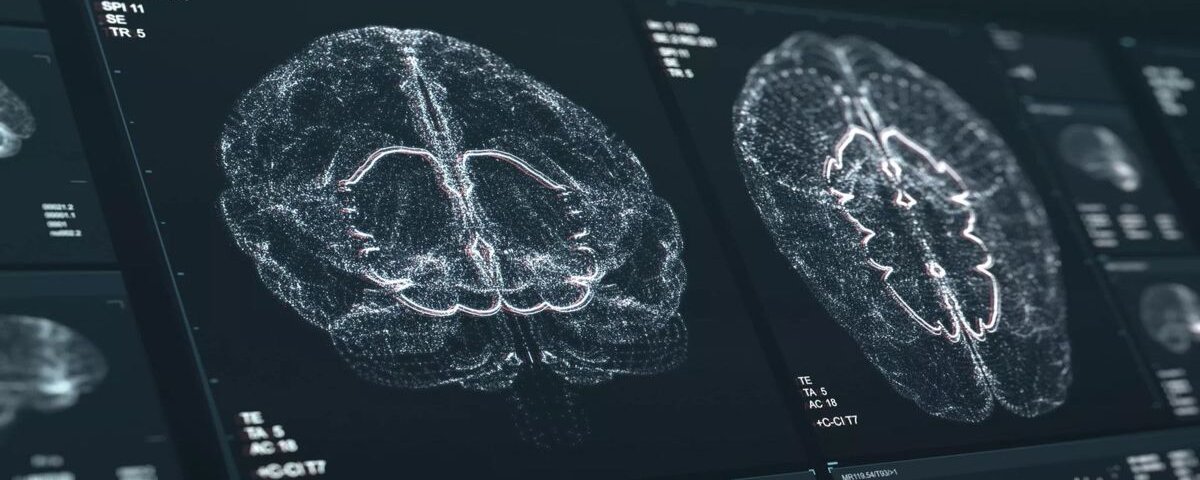
Brain imaging shows significant overlap in neural activation between vividly imagined experiences and actual lived experiences. This means the brain, on a physiological level, does not maintain a strict distinction between what truly happened and what was vividly pictured. This underlies why mental rehearsal works and why memories can trigger physical responses.
Change requires awareness of triggers and automatic thoughts, then interrupting the stimulus-reaction gap.
Effective change begins with awareness: identifying the trigger and the automatic thought response. The crucial point for change is the brief gap between stimulus and reaction. Widening this gap provides leverage to interrupt old patterns before they complete, which is fundamental to cognitive behavioral research.
Changing underlying identity beliefs is more effective than forcing new behaviors on old identities.
Attempting to adopt new behaviors without changing the core identity ('I'm not disciplined') often leads to relapse. The subconscious steers towards confirming existing beliefs. Changing the belief about who you are makes new behaviors feel congruent rather than like a constant struggle.
Emotion acts as 'ink', amplifying memory consolidation and making beliefs absorbed during intense states more powerful.
Beliefs delivered with strong emotion—fear, shame, love—are burned in faster and deeper than flat repetitions because emotional arousal amplifies memory consolidation. This is why one negative childhood comment can outweigh many positive days, and why pairing new beliefs with genuine felt emotion is more effective for reprogramming.
Building an evidence case for a new belief is more effective than affirmations, as it aligns with the brain's pattern recognition.
Repeating affirmations that contradict lived experience can backfire. Instead, building a concrete evidence case by recalling specific past moments that support the desired belief ('I was capable then') is more effective. Ten specific memories are more potent for rewiring than a hundred hollow repetitions.
Your brain is always listening; what you repeatedly tell it shapes your reality, so choose your message carefully.
Your brain has continuously taken notes throughout your life based on what you've repeated. It's still listening now. The critical element is consciously deciding what message to give it and repeating it sufficiently for it to be integrated and believed.
Sections
Introduction: The Unchosen Script
We often act out ingrained patterns and beliefs like 'I'm not disciplined' that we didn't consciously choose.
There's a version of yourself that reacts negatively to criticism, sabotages success, or labels oneself as undisciplined, as if these are inherent facts. These patterns were likely written into your nervous system by external factors before you had the capacity to question them and have been running on autopilot since.
Subconscious programming is a physical and measurable process, not mystical, and can be changed.
The article defines subconscious programming as the mechanism behind these automatic behaviors and beliefs. It asserts that this process is physical, measurable, and changeable by understanding its construction and deconstruction, moving beyond vague concepts like manifestation or 'vibes'.
The Two Minds: Conscious vs. Subconscious
The mind operates via a conscious system (slow, deliberate) and a subconscious system (automatic, constant background processing).
Psychologists differentiate between the conscious mind, which is slow, deliberate, and handles one problem at a time (like narrating this text), and the subconscious mind, which runs continuously in the background, managing essential functions like heartbeat, balance, habitual reactions, and emotions, without conscious awareness.
Subconscious processes constitute the vast majority of daily thought and behavior, making them efficient but hard to change.
A large portion of daily thoughts and behaviors are automatic rather than deliberate, involving tasks like parallel parking or recognizing voices. This subconscious system is efficient because it doesn't require conscious permission, which is also why it's difficult to alter once a pattern is established.
Willpower fails against ingrained subconscious patterns because it's a limited conscious resource fighting an automatic system.
Consciously deciding to stop unwanted behaviors (like procrastinating or overeating) often fails because it pits a small, effortful, and easily depleted conscious willpower against a deeply ingrained automatic pattern reinforced by years of repetition. This is described as trying to out-arm-wrestle a hydraulic press with motivation.
Neural Pathways: Where Beliefs Are Formed
Core beliefs are often installed early in life during childhood due to high neural plasticity.
Most core beliefs, such as 'I'm not enough' or 'money is hard to get', are installed during childhood when the developing brain has high neural plasticity. Children absorb experiences directly, encoding them as fact without the developed critical capacity to question or contextualize them.
Hebbian learning ('Neurons that fire together, wire together') explains how repetition physically strengthens neural connections.
The principle of Hebbian learning states that repeated co-activation of neurons physically strengthens the connection between them. This repetition doesn't just reinforce habits abstractly; it physically thickens and speeds up neural pathways. Rehearsing negative thoughts paves those pathways, while unused pathways eventually grow over.
Established patterns can be rebuilt through repetition because they can become the new path of least resistance.
The same mechanism of repetition that builds unwanted patterns can be used to rebuild them. By consistently reinforcing new neural firing patterns, they can become the new path of least resistance, effectively reprogramming the subconscious mind. This is a mechanical process available to anyone willing to practice.
Neuroplasticity and Imagination's Role
Neuroplasticity allows the adult brain to continually reorganize itself, build new connections, and prune old ones.
Contrary to earlier beliefs, the adult brain is not fixed. Neuroplasticity is the brain's ongoing capacity to reorganize, form new connections, and eliminate unused ones throughout life. This is the scientific basis for rewiring the mind at any age, meaning the brain remains responsive to consistent input.
The brain activates similar regions for vividly imagined experiences as for real ones, blurring the line between them.
Brain imaging shows significant overlap in neural activation between vividly imagined experiences and actual lived experiences. This means the brain, on a physiological level, does not maintain a strict distinction between what truly happened and what was vividly pictured. This underlies why mental rehearsal works and why memories can trigger physical responses.
Vivid, emotionally charged mental imagery is treated by the subconscious as live data, impacting mood and readiness.
The subconscious treats intense mental imagery as if it were real-world data. This explains why catastrophizing can be emotionally draining and why visualization can create neural groundwork for future skills or beliefs before they are physically practiced. It highlights the power of imagination in shaping internal states.
Implicit Memory and the Mechanism of Change
Implicit memory holds procedural and emotional data, often driving feelings without conscious recall of the original event.
We possess explicit memory (facts, dates) and implicit memory (procedural, emotional). Implicit memory is largely inaccessible to direct recall, explaining why situations resembling past experiences can evoke dread or other emotions without conscious recollection of the original event.
The mismatch between logical knowledge and felt emotion stems from unchecked implicit predictions.
The common experience of 'I know logically this doesn't make sense, but I still feel it' arises from an implicit prediction, processed by the subconscious, that the conscious mind never had a chance to review, edit, or approve, leading to a disconnect.
Change requires awareness of triggers and automatic thoughts, then interrupting the stimulus-reaction gap.
Effective change begins with awareness: identifying the trigger and the automatic thought response. The crucial point for change is the brief gap between stimulus and reaction. Widening this gap provides leverage to interrupt old patterns before they complete, which is fundamental to cognitive behavioral research.
Written thought records help by forcing conscious reasoning to engage with implicit material, enabling evaluation and revision.
Therapists use written thought records to externalize triggers, automatic reactions, and evidence for/against thoughts. This process engages the slower, deliberate reasoning system with material that would otherwise remain in automatic processing, allowing for evaluation and revision of implicit beliefs, a core mechanism in therapies for anxiety and depression.
Identity, State, Emotion, and Evidence in Change
Changing underlying identity beliefs is more effective than forcing new behaviors on old identities.
Attempting to adopt new behaviors without changing the core identity ('I'm not disciplined') often leads to relapse. The subconscious steers towards confirming existing beliefs. Changing the belief about who you are makes new behaviors feel congruent rather than like a constant struggle.
States of deep relaxation and focused attention enhance the brain's receptivity to new input and suggestions.
The brain is not equally receptive at all times. States like deep relaxation, focused attention, and low analytical vigilance make the mind more open to new associations. Practices like meditation or hypnosis leverage this by lowering critical filtering, allowing suggestions to land more directly.
Emotion acts as 'ink', amplifying memory consolidation and making beliefs absorbed during intense states more powerful.
Beliefs delivered with strong emotion—fear, shame, love—are burned in faster and deeper than flat repetitions because emotional arousal amplifies memory consolidation. This is why one negative childhood comment can outweigh many positive days, and why pairing new beliefs with genuine felt emotion is more effective for reprogramming.
Building an evidence case for a new belief is more effective than affirmations, as it aligns with the brain's pattern recognition.
Repeating affirmations that contradict lived experience can backfire. Instead, building a concrete evidence case by recalling specific past moments that support the desired belief ('I was capable then') is more effective. Ten specific memories are more potent for rewiring than a hundred hollow repetitions.
The Practice of Real Change
Structurally embedded belief change requires weeks of consistent practice, not quick fixes.
Real belief change is a slow, physical process that typically takes weeks of consistent practice, not a single session or video. This is because ingrained patterns were built through thousands of small, repeated moments over years, and undoing them requires the same methodical repetition.
A practical protocol involves identifying automatic beliefs, catching triggers, building evidence, and rehearsing with emotion in calm states.
The practical protocol for reprogramming involves identifying specific automatic beliefs, catching them in real-time before reacting, building a written evidence case for a desired belief, rehearsing this new belief with genuine emotion during a calm state, and consistent daily practice over weeks.
Conclusion: Repetition as a Tool
You were built by repetition; now you can use it deliberately to reprogram subconscious patterns.
The truth is that you were built by repetition, and this same mechanism can now be used intentionally for reprogramming. The process is not mysterious or exclusive; it requires personal effort and consistent application of learned methods.
Your brain is always listening; what you repeatedly tell it shapes your reality, so choose your message carefully.
Your brain has continuously taken notes throughout your life based on what you've repeated. It's still listening now. The critical element is consciously deciding what message to give it and repeating it sufficiently for it to be integrated and believed.
Ask a Question
*Uses 1 Wisdom coin from your coin balance