
#Relationships
73 NotesInterpersonal dynamics, healthy communication, emotional boundaries, empathy, and deep human connection in relationships.






YouTube games
This video explores the dynamics of interpersonal 'mind games' played online, contrasting them with offline interactions. Through specific scenarios like 'Sabotage,' 'Front-end Evasion,' and 'Unwanted Advice,' the narrator illustrates how conflicted behaviors manifest as evasive tactics or passive-aggression. Key to this analysis is the shift from debating internal motives to addressing observable behavioral contradictions. The video offers various strategies for targets—ranging from setting strict boundaries and benchmarks to humorous dismissal or total silence—emphasizing the preservation of one's time and creativity over engaging in sterile, repetitive drama.
Transactional Analysis 1: ego states & basic transactions
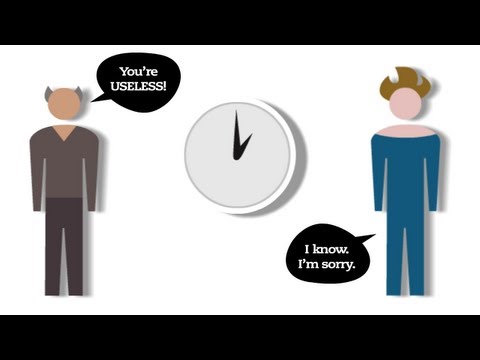
This video explores Transactional Analysis (TA), a psychological framework designed to explain why people get trapped in repetitive, often destructive relationship patterns. It introduces three core ego states—Parent, Adult, and Child—and demonstrates how interactions between these states create either stable (complementary) or unstable (crossed) transactions. By understanding these dynamics and strengthening the Adult state, which focuses on objectivity, equality, and the present reality, individuals can break free from negative cycles, improve their boundaries, and foster healthier, more balanced communication with others.


WOMAN. (Ultimate Mix, 2020) - John Lennon (official music video HD)
This lyrical composition by John Lennon is a dedicated tribute to women, specifically acknowledging his partner's role in his life. The song addresses themes of gratitude, personal growth, and emotional vulnerability. Lennon admits to past thoughtlessness and expresses a deep 'debt' to the woman for providing a sense of success and stability. He highlights the sensitivity of the 'inner child' within men and emphasizes a fated, eternal connection throughout the verses, ultimately concluding with a repetitive and powerful declaration of undying love and commitment.

Morgan Wallen - Wasted On You (The Dangerous Sessions)
Morgan Wallen's 'Wasted On You' explores the painful aftermath of a breakup, where the narrator grapples with the realization of how much of his life—time, money, and emotional energy—was squandered on a relationship that ultimately failed. The song contrasts the literal state of being intoxicated ('wasted') with the metaphorical waste of his past efforts, highlighting a mix of self-blame and the hard process of moving on while seeking solace in bourbon and reflection.

People DO NOT Come Into Our Lives By CHANCE | Carl Jung Psychology
This video explores the Jungian perspective on relationships, arguing that no encounter is random, but rather a spiritual assignment designed for personal growth. Drawing on Carl Jung's philosophy of archetypes and the collective unconscious, it posits that people act as mirrors reflecting our suppressed shadows, unhealed wounds, and hidden potential. By shifting from a victim mindset ('Why did they hurt me?') to an awakened perspective ('What are they teaching me?'), individuals can achieve individuation, heal deep-seated patterns, and eventually return to their true, whole selves through self-love and conscious release.
All #Relationships Notes & Study Guides Directory (73)
• The narcissist's game of deflection• 8 Signs Someone Is Secretly Jealous of You — They’ll Never Admit It #relationshipadvice• 80 Psychology Facts About Human Behavior | Amazing Facts About Life• МОИ СВИДАНИЯ! ДЕЙТИНГ ПОСЛЕ 30: ЧТО да КАК?! 😂• 130 Unknown Psychology Facts about Lief and Human Behavior• Ошибки мужчин с девушками (Тир лист)• Is Reggie Watts responsible for his ex-girlfriend's death?• Joyner Lucas (Starring Mya) - NVM• Addressing the cheating rumors• วันรับเจ้าสาวกลายเป็นดราม่า!เจ้าบ่าวถูกบีบให้นั่งรถคันหลังก่อนตัดสินใจหักหน้าและยกเลิกงานแต่งกลางทาง• 🔥 ถูกสามีหย่าเพราะไม่มีลูก แม่เลี้ยงยังจะขายนางให้ชายชรา แต่กลับมีแม่ทัพพิการมาขอแต่งงาน• สาวป่วยสลับร่างกับคุณชายเสเพลทุก 3 วัน! นางสอบสร้างอนาคต เขาช่วยให้นางแข็งแรงขึ้น!• Why Narcissists Keep Coming Back After Leaving You —The Real Psychological Reason #narcissisticabuse• 80 Interesting Psychology Facts About Human Behaviour• 170 Dark Psychology Facts About Human Behavior & Love• தாத்தா பாட்டி பாவங்கள் | Parithabangal• Sabor A Paixão Todos Os Episódios Parte 1 (Dublagem em Português)• Chosen One, Your Soulmate Is Coming Toward You… They’ve Made a Decision• Keep on Loving You• วันแต่งงานเธอถูกผู้ใหญ่ตระกูลเศรษฐีเหยียดให้ล้างเท้า แต่การกระทำเดียวทำสามีซีอีโอให้5พันล้าน!• THE GUIDE on Fighting Parental Alienation for Dads• The Bridge I Burned• RICH KID SURVIVES THE WORLD’S STRICTEST TEACHER! 😱• 100 तांत्रिक महाउपाय | धन, प्रेम, नौकरी और सफलता मनचाही इच्छा पूरी होगी• The One Habit That Makes Empaths Untouchable #narcissist #healing #empath #awakenedempath#motivatio• Why Avoidants Can’t Handle Super Empath Detachment• The More You Matter, The Worse The Avoidant Treats You 💔• Trey Songz - Last Time [Official Music Video]• Jay Morris Group - In Front of Me Part 1 and 2 (Official Music Video)• Catherine Sanders - He Shows Up | Smooth R&B Soul Blues | Neo Soul Love Vibe• Patricia Powell - The Ordinary Is Enough | Smooth Neo Soul Blues | R&B Love Song Vibes• Seraphina Hayes - The Way We Fit | Soulful R&B Love Song | Smooth Blues Melodies• Chosen One, Your soulmate wrote a secret love letter — you must read it before tomorrow.• Is Patrick Clancy Framing Lindsay?• This Type of Man Always Cheats! - Signs He Doesn't Love You (Even If You Think They Do) | Dr. Ramani• “Everything you’ve been told about dating is wrong” | Dr Paul Eastwick• Harvard negotiator explains how to argue | Dan Shapiro• Every Dark Psychology Trick Explained in 6 Minutes• 남자를 무조건 미치게 하는 5가지 자세• [레전드 풀버전] 20대는 절대 모름ㅣ돈은 없어도 '이건' 지켜야 귀티가 난다.• 금기의 기술, 여왕거미의 춤 정리 최종본• 사람의 숨겨뒀던 본성이 드러나는 결정적인 순간 (최명기 원장, 양나래 변호사, 이헌주 교수 통합본)• 나르시시스트 입장도 좀 들어봅시다. 연인간 이별과 그들의 본심.• The Eye-Opening Truth About Female Deception (I Was Part of The Problem)• THIS GOT SO MESSY! Plus Bonus Content On 'Maternal Instincts'• RA the Rugged Man on Spicy Hip Hop Takes and Agent Orange• Survive 30 Days On An Island With Your Ex, Win $250,000• White Women Are Saying The Quiet Part OUT LOUD About Black Men• Lil Man J - Stay My Ex (Official Visualizer)• BigXthaPlug - Hell At Night feat. Ella Langley (Official Lyric Video)• 10 EVIDENT Signs that there is a WITCH next to you - C.S. Lewis• The child who learned to disappear is still running your adult relationships | Nicole LePera• Silent Scxr - Unread (video lyrics)• Comment en finir avec les féminicides et la violence conjugale? | Questions-réponses | Rad• Why Narcissists Pretend They’re Happy Without You• THIS IS DIFFERENT… AND IT’S ALREADY TOO LATE• Morgan Wallen - Last Night (One Record At A Time Sessions)• Georgiou Music - Unappreciated Queens Lyric Video (Narcissist Song)• Title: The Unclean Home Speaker: Tim Fellure• FOCUS ON YOURSELF AND LET THEM GO | TD JAKES Powerful Motivational Speech on Self-Worth & Growth• God, Do I Stay… or Is This My Sign to Leave That Relationship• God Wants To Fix Your Relationships… This Was Meant For You• If You're Praying For Peace But Can't Let Go, God Needs You To Hear This!• infantilisation | a regressive abuse [cc]• Limerence Explained: Why Do We Get Addicted To People? - Crappy Childhood Fairy• Transactional Analysis 2: games• YouTube games• Transactional Analysis 1: ego states & basic transactions• How to Spot the Loveliest People in the World• WOMAN. (Ultimate Mix, 2020) - John Lennon (official music video HD)• Morgan Wallen - Wasted On You (The Dangerous Sessions)• People DO NOT Come Into Our Lives By CHANCE | Carl Jung Psychology• 🔥 นั่งผิดโต๊ะนัดบอด แต่กลับเจอซีอีโอพันล้าน รักแรกพบ ก่อนแต่งงานทันทีและถูกสัตว์เลี้ยง รักสุดหัวใจ 💍