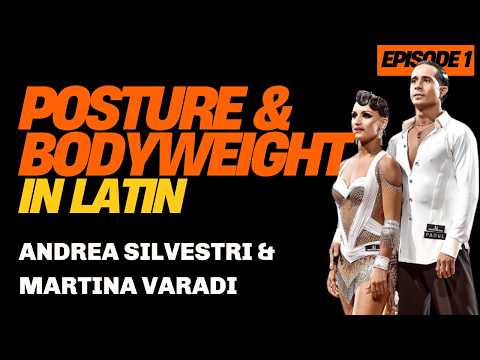
Gabriele Goffedo | Basic Rumba walks | Tutorial | Professional Latin
Summary
The video demonstrates dynamic body movement techniques, focusing on isolating and coordinating hip, rib cage, and shoulder movements. It progresses from basic footwork and hip isolations to more complex sequences involving rib cage and hip dissociation, body weight shifts, and controlled stretching. The aim is to enhance dance and movement expression by engaging the entire body, not just the hips, emphasizing proper alignment and rotation for fluid and impactful motion.
Key Insights
Use insider hip rotation to initiate and control movement.
Push slightly inward with the hip to initiate its rotation. This controlled rotation, combined with extending the knees and moving body weight forward, prepares for the subsequent step.
Create opposing stretches between rib cage and hip for fluidity.
Move the rib cage and hip in opposite directions, creating a stretching sensation. This dissociation and controlled opposition are key to achieving a fluid and expressive movement quality.
Observe single-sided visibility when extending from the back.
When extending from the back leg, aim to see only one side of your body (e.g., the stretched side) rather than both. This indicates proper rotation and isolation.
Practice closing feet and alternating right/left side forward steps.
Start by closing your feet and practicing stepping forward with the right side, then close. Next, step forward with the left side and close. Repeat this sequence, counting 'one, two, three, four'. This exercise establishes basic foot placement and weight transfer.
Incorporate hand movements to engage the upper body.
Place hands in a specific position (as shown in the video) and practice moving the body forward in unison with the feet. This aims to activate more than just the hips, encouraging a more connected body movement.
Focus on hip movement within the two-count rhythm.
Execute steps with a focus on moving the hip to a two-count rhythm ('one and two and three and four'). This emphasizes the role of the hip in initiating and driving the movement sequence.
Practice rib cage and hip movements independently and together.
Combine movements by isolating the rib cage and then the hip, then moving them together. This involves shifting the rib cage and then the hip, and repeating this dissociation. Maintain correct foot placement throughout these exercises.
Incorporate stretching into rib cage and hip movements.
Perform the rib cage and hip movements while also stretching. This means moving the rib cage and hip and then stretching the body, creating a more fluid and dynamic motion. The sequence involves a stretch, then a rib cage movement, then a hip movement, and then shifting the body forward.
Execute movements with a 'robot' timing.
Practice the combined rib cage and hip movements with a precise, segmented timing, likened to a robot's movements. This helps in understanding and executing the distinct isolations before combining them smoothly.
Use hand placement to isolate shoulder movement.
Place hands in a specific position (as demonstrated) to help isolate shoulder movement. This prevents the shoulders from moving unintentionally when focusing on hip and rib cage isolations, encouraging independent upper body control.
Dance using the entire body, not just the hips.
Encourage a dance style that uses the whole body, not solely the hips. This involves actively engaging the torso and shoulders in the movement to create a more expressive and complete performance.
Initiate movement by dropping the hip and shifting body weight.
Begin a sequence by starting with the left foot forward, dropping the hip, and then shifting body weight forward. This sets the foundation for the subsequent dynamic movements.
Stretch the body, particularly the neck and hip, during movement.
As the body weight shifts, actively stretch the body. Focus on stretching the neck and the hip, creating length and extension. This includes stretching the rib cage and the hip to achieve an extended position.
Combine rib cage contraction, hip movement, and knee extension.
Engage in a sequence where the rib cage contracts, followed by a hip movement, and then extending the front knee. This coordinated action propels the body forward towards the next step.
Shift weight and create opposing stretches in rib cage and hip.
After stepping back to center balance, push from the back foot to stretch the right side and open the left side. This contrast in stretching helps to create dynamism and prepares for the next movement.
Maintain proper shoulder alignment to avoid unwanted rotation.
It is crucial to keep the shoulders in front of the wall (or reference point) and not allow them to rotate excessively. This ensures controlled movement and prevents the shoulders from leading the action when hip and rib cage isolation is intended.
Understand the beat as the step and the end as the action.
Internalize the rhythm by associating the beat with the step and the completion of the action with the end of the beat. This aids in precise timing and execution of complex movements.
Engage abdominal muscles ('six-pack') for core control during movement.
Consciously engage the abdominal muscles. This engagement provides core stability and control, allowing for more precise and powerful hip and rib cage movements.
Initiate rotation by pushing the hip forward.
When initiating a rotation, push the hip forward. Observe how this action directly influences the rib cage's response and the overall rotational movement of the body.
Utilize the back foot to stretch over the top, facilitating movement.
Push off from the back foot and stretch over the top of the movement. This action is crucial because being 'square' or flat-footed makes movement difficult and restricted.
Maintain body linear alignment during stretches.
Ensure the body maintains a linear alignment, especially when stretching. Avoid extraneous movements, allowing the focused stretch to facilitate the intended motion.
Maximize extension during movement phases.
Focus on achieving maximal extension during specific movement phases. This creates larger, more visible, and dynamic actions.
Keep shoulders isolated and avoid moving them independently of the rotation.
For men especially, it is important to keep the shoulders isolated and prevent them from moving independently. The rotation should originate from the core and hips, with shoulders following in a controlled manner.
Sections
Basic Footwork and Hip Movement
Practice closing feet and alternating right/left side forward steps.
Start by closing your feet and practicing stepping forward with the right side, then close. Next, step forward with the left side and close. Repeat this sequence, counting 'one, two, three, four'. This exercise establishes basic foot placement and weight transfer.
Incorporate hand movements to engage the upper body.
Place hands in a specific position (as shown in the video) and practice moving the body forward in unison with the feet. This aims to activate more than just the hips, encouraging a more connected body movement.
Focus on hip movement within the two-count rhythm.
Execute steps with a focus on moving the hip to a two-count rhythm ('one and two and three and four'). This emphasizes the role of the hip in initiating and driving the movement sequence.
Rib Cage and Hip Dissociation
Practice rib cage and hip movements independently and together.
Combine movements by isolating the rib cage and then the hip, then moving them together. This involves shifting the rib cage and then the hip, and repeating this dissociation. Maintain correct foot placement throughout these exercises.
Incorporate stretching into rib cage and hip movements.
Perform the rib cage and hip movements while also stretching. This means moving the rib cage and hip and then stretching the body, creating a more fluid and dynamic motion. The sequence involves a stretch, then a rib cage movement, then a hip movement, and then shifting the body forward.
Execute movements with a 'robot' timing.
Practice the combined rib cage and hip movements with a precise, segmented timing, likened to a robot's movements. This helps in understanding and executing the distinct isolations before combining them smoothly.
Use hand placement to isolate shoulder movement.
Place hands in a specific position (as demonstrated) to help isolate shoulder movement. This prevents the shoulders from moving unintentionally when focusing on hip and rib cage isolations, encouraging independent upper body control.
Dance using the entire body, not just the hips.
Encourage a dance style that uses the whole body, not solely the hips. This involves actively engaging the torso and shoulders in the movement to create a more expressive and complete performance.
Advanced Body Movement Sequence
Initiate movement by dropping the hip and shifting body weight.
Begin a sequence by starting with the left foot forward, dropping the hip, and then shifting body weight forward. This sets the foundation for the subsequent dynamic movements.
Stretch the body, particularly the neck and hip, during movement.
As the body weight shifts, actively stretch the body. Focus on stretching the neck and the hip, creating length and extension. This includes stretching the rib cage and the hip to achieve an extended position.
Combine rib cage contraction, hip movement, and knee extension.
Engage in a sequence where the rib cage contracts, followed by a hip movement, and then extending the front knee. This coordinated action propels the body forward towards the next step.
Shift weight and create opposing stretches in rib cage and hip.
After stepping back to center balance, push from the back foot to stretch the right side and open the left side. This contrast in stretching helps to create dynamism and prepares for the next movement.
Maintain proper shoulder alignment to avoid unwanted rotation.
It is crucial to keep the shoulders in front of the wall (or reference point) and not allow them to rotate excessively. This ensures controlled movement and prevents the shoulders from leading the action when hip and rib cage isolation is intended.
Use insider hip rotation to initiate and control movement.
Push slightly inward with the hip to initiate its rotation. This controlled rotation, combined with extending the knees and moving body weight forward, prepares for the subsequent step.
Create opposing stretches between rib cage and hip for fluidity.
Move the rib cage and hip in opposite directions, creating a stretching sensation. This dissociation and controlled opposition are key to achieving a fluid and expressive movement quality.
Understand the beat as the step and the end as the action.
Internalize the rhythm by associating the beat with the step and the completion of the action with the end of the beat. This aids in precise timing and execution of complex movements.
Engage abdominal muscles ('six-pack') for core control during movement.
Consciously engage the abdominal muscles. This engagement provides core stability and control, allowing for more precise and powerful hip and rib cage movements.
Initiate rotation by pushing the hip forward.
When initiating a rotation, push the hip forward. Observe how this action directly influences the rib cage's response and the overall rotational movement of the body.
Utilize the back foot to stretch over the top, facilitating movement.
Push off from the back foot and stretch over the top of the movement. This action is crucial because being 'square' or flat-footed makes movement difficult and restricted.
Maintain body linear alignment during stretches.
Ensure the body maintains a linear alignment, especially when stretching. Avoid extraneous movements, allowing the focused stretch to facilitate the intended motion.
Maximize extension during movement phases.
Focus on achieving maximal extension during specific movement phases. This creates larger, more visible, and dynamic actions.
Observe single-sided visibility when extending from the back.
When extending from the back leg, aim to see only one side of your body (e.g., the stretched side) rather than both. This indicates proper rotation and isolation.
Keep shoulders isolated and avoid moving them independently of the rotation.
For men especially, it is important to keep the shoulders isolated and prevent them from moving independently. The rotation should originate from the core and hips, with shoulders following in a controlled manner.
Ask a Question
*Uses 1 Wisdom coin from your coin balance